
The Leonardo-Baykar Partnership

The Leonardo-Baykar Partnership

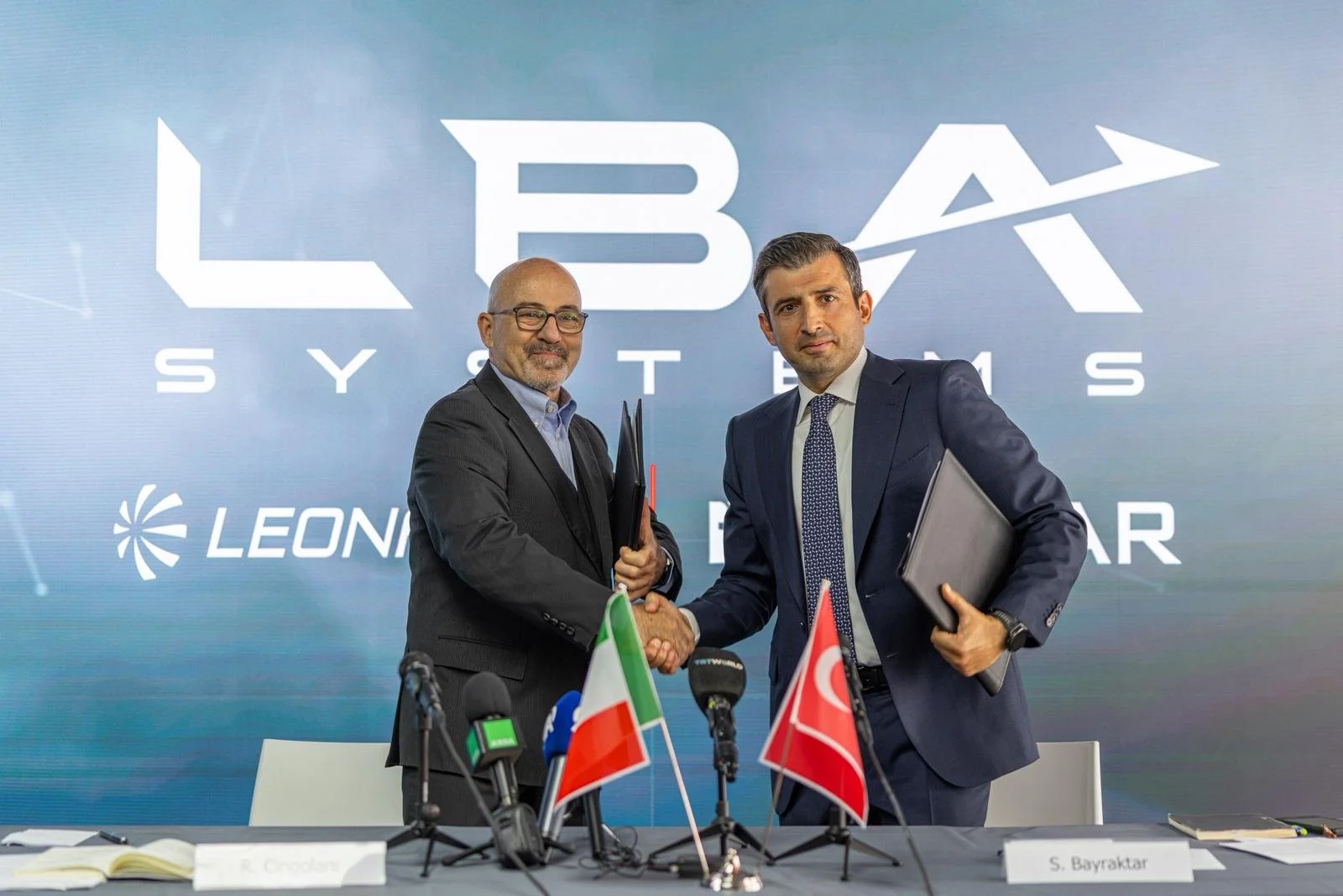
In March 2025, Leonardo CEO Roberto Cingolani announced that Europe could soon have European-certified unmanned aerial vehicles through cooperation between Italy’s Leonardo and Türkiye’s Baykar (Daily Sabah 2026). The Italian Turkish partnership emerged in 2025 with the creation of Leonardo Baykar Aerospace Systems (LBA Systems), a balanced joint venture between the two companies. Its legal and operational headquarters were strategically placed in Italy, meaning that LBA Systems’ products may be certified for the European market.

Read More

From Reagan's "Star Wars" to Contemporary Space Defense: Revisiting the Strategic Defense Initiative's Impact on Today's Militarization of Space

From Reagan's "Star Wars" to Contemporary Space Defense: Revisiting the Strategic Defense Initiative's Impact on Today's Militarization of Space

For the decision makers of today, it is clear that space is but another arena of international tension. Various diplomatic channels and treaties continue to safeguard the different powers’ clashes against more fatal crises or conflicts, but the reality is that the military Research and Development (R&D) continues to utilise space programs for defensive and offensive weapons alike. The 1983 Strategic Defence Initiative (SDI) was the steppingstone of the United States’ (US) counteract against the space and Intercontinental Ballistic Missile (ICBM) nuclear threats; there are even those who argue that it would need some degree of resurrection. This article aims to retrace and comment on the past and present implications of the SDI and its grounding on the warfighting domain of space.

Read More

Shifting Tides: NATO’s Evolving Strategy and the Rising Security Challenges in the Baltic Sea

Shifting Tides: NATO’s Evolving Strategy and the Rising Security Challenges in the Baltic Sea

Few maritime security environments across the globe have consistently shown a degree of tension and volatility akin to the Baltic Sea scenario. Having established the deterrence of Russia's ambitions as an emphasis of European defence, the increase in military investments within the region, as well as the political realignments across the Baltic shore after the invasion of Ukraine show that the security assessment has radically changed in the last few months. The current deployment of NATO and Russian Federation forces in this region, along with the Alliance's geopolitical developments, provides a valuable perspective for analysing defence planning and assessing present and future vulnerabilities and areas of risk. The Baltic security architecture, and its continuous updates and transitions, justifies an integrative reading into the key aspects of the present security challenges in the area.

Read More